Reliable software is mostly unglamorous work: tracing the edge case to its cause, giving the state a name, and leaving the next change safer than the last.
01
Trace it before you patch it
Most defects I work on cross a boundary: an interface, a workflow state, a service contract. I follow the symptom to the layer that owns it, and fix it there.
02
Boring on purpose
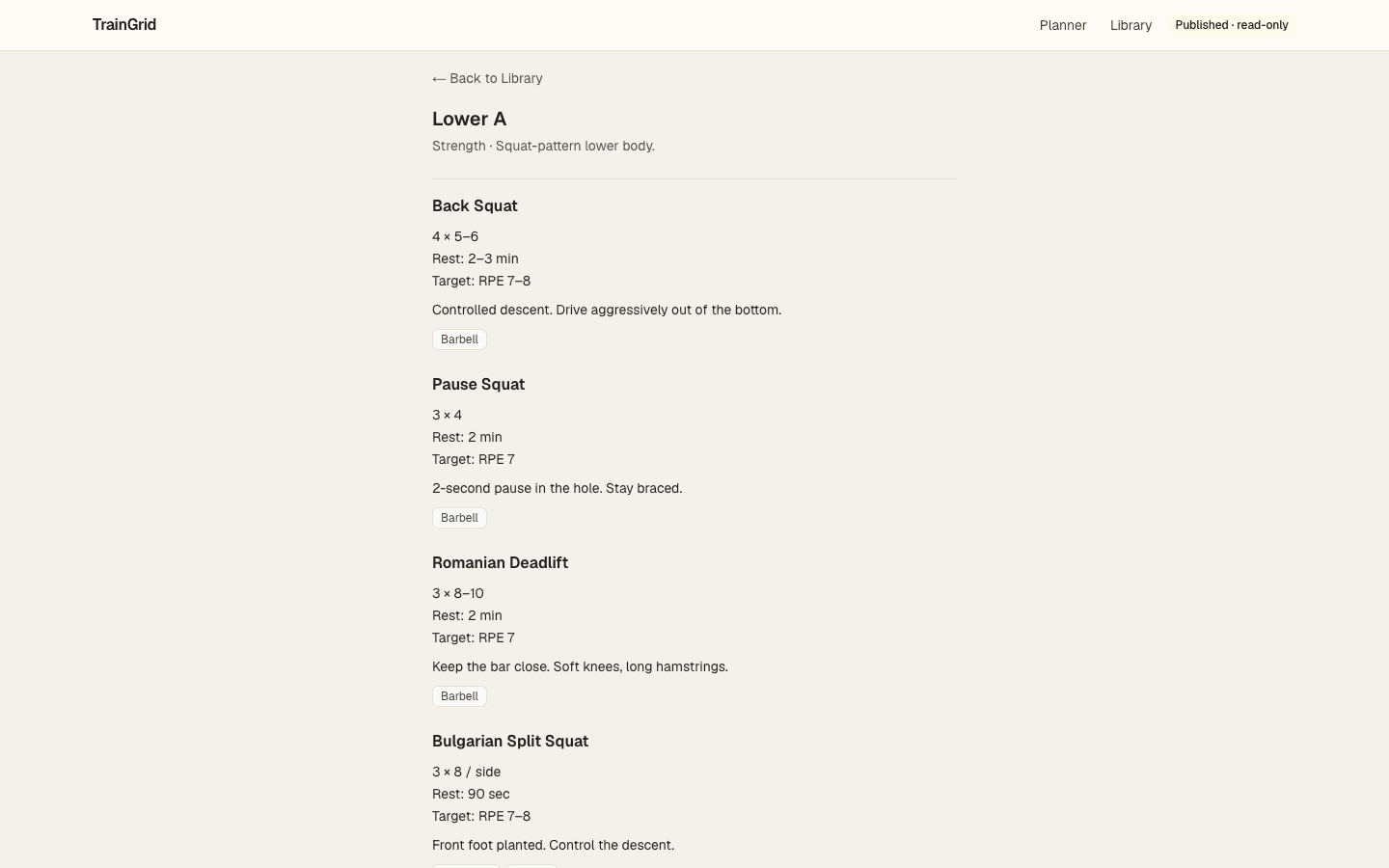
TrainGrid has no database because files were enough. LedgerOne is a monolith because nothing yet asks for more. I write down what a project will not use before I start it.
03
Make the next change safer
Lint rules, type checks, tests and pipeline gates are not overhead. They are what lets a team change a pharmacy interface on a Tuesday without holding its breath.
04
Someone is waiting on this
One change to an outpatient pharmacy workflow contributed to roughly 30% less time to dispense. A number like that is a person at a counter, waiting.